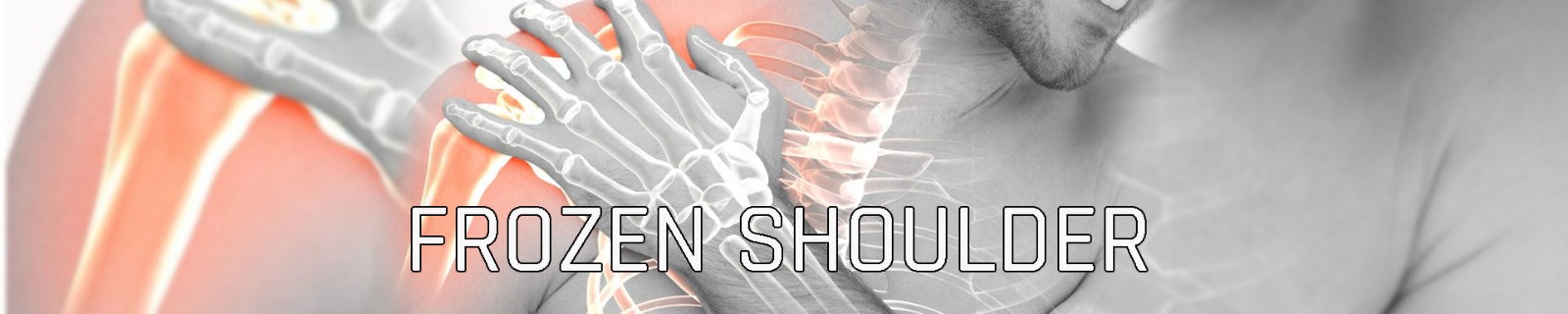
Frozen shoulder, also medically known as adhesive capsulitis, is a condition that affects the shoulder joint, causing stiffness and pain. It typically develops gradually and can be quite debilitating.
Here's a breakdown of frozen shoulder:
Symptoms:
- Pain: This is usually the first symptom, often described as a dull ache or a deep freezing sensation in the shoulder. The pain can be worse at night and may interfere with sleep.
- Stiffness: The shoulder joint gradually becomes stiff, limiting your ability to move your arm in all directions. Simple tasks like reaching behind your back or combing your hair become difficult.
Stages of Frozen Shoulder:
Frozen shoulder typically progresses through three stages over time:
- Freezing Stage: This is the most painful stage, typically lasting several months. Pain can be significant, and range of motion starts to decrease.
- Frozen Stage: The pain may lessen somewhat in this stage, which can last up to a year. However, stiffness becomes most severe, significantly limiting your shoulder movement.
- Thawing Stage: Gradually, range of motion improves, and the shoulder becomes less stiff. This stage can take 1-2 years or even longer.
Causes:
The exact cause of frozen shoulder is unknown. However, several factors can increase your risk:
- Age: Frozen shoulder is more common in people between 40 and 60 years old.
- Diabetes: People with diabetes are at a higher risk of developing frozen shoulder.
- Immobilization: Having to keep your shoulder still for a long period after an injury or surgery can increase the risk.
- Certain medical conditions: Rotator cuff injuries, bursitis, and inflammatory diseases can also be risk factors.
Diagnosis:
A diagnosis of frozen shoulder is usually based on your symptoms and a physical examination. X-rays or other imaging tests may be ordered to rule out other conditions that can cause shoulder pain and stiffness.
Treatment:
There is no cure for frozen shoulder, but treatments can help manage pain and improve mobility. These include:
- Pain medication: Over-the-counter pain relievers like ibuprofen or acetaminophen can help manage pain. In some cases, stronger medications may be prescribed.
- Physical therapy: Exercises designed to improve flexibility and range of motion are a crucial part of treatment.
- Corticosteroid injections: Steroid injections into the shoulder joint can help reduce inflammation and pain.
- Heat and ice therapy: Applying heat or ice packs to the shoulder can help manage pain and inflammation.
- Surgery: In rare cases, surgery may be considered to manipulate scar tissue and improve mobility, but this is usually a last resort.
Recovery:
Frozen shoulder is a slow-healing condition. Recovering full range of motion and function in your shoulder can take months or even years. However, with proper treatment and persistence, most people eventually regain good use of their shoulder.
If you are experiencing shoulder pain and stiffness, especially if it's progressively worsening, it's important to see a doctor to get a diagnosis and discuss treatment options. Early intervention can help manage pain and improve your long-term prognosis.